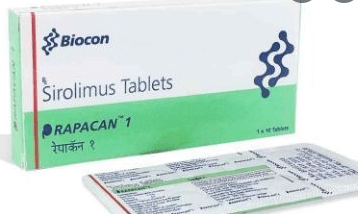
Which Rapamycin brand to buy versus the generic? This question has both positive and negative implications, as there is no proven scientific research proving which brand is the best. However, if you’re interested in rapamycin for your gout, you can learn more by reading a review of the major brands. We’ve also included a list of side effects of rapamycin in humans, to help you make an informed choice.
Buy Rapamycin Best Price
Side effects of
Before you take this medication, it is important to read the label and the medication information. Read the side effects and contact your health care provider if they occur. If you feel pain in the leg or a cough, you may have a blood clot. You may also feel tired and hungry. If you experience any of these side effects, talk to your doctor. Also, if you are having a fever or feeling very tired, call your health care provider.
Some of the side effects of the Rapamycin brand include:
While rapamycin can cause some side effects, the effects are relatively minor. These side effects are often reversible and can be treated with other anti-aging drugs such as metformin and statins. For those who are taking this medication regularly, the drug can be discontinued temporarily if the side effects persist. Rapamycin/everolimus is a great alternative to age-related diseases. If you’ve been told that you have lung cancer, this type of medication can help you.
Side effects of rapamycin
If you’re taking a drug such as rapamycin, you may want to be aware of the side effects that can occur when you use it. If you’re taking this medication for an infection, you should watch out for the signs of blood clots, such as shortness of breath and chest pain. You might also experience numbness and warmth in the extremities, difficulty speaking, and a fever. If you are experiencing any of these symptoms, call your health care provider.
This drug can cause side effects in humans that range from mucous membrane ulceration to noninfectious interstitial pneumonitis. In addition, rapamycin can increase the risk of bacterial infections. This may make it unsuitable for anti-aging treatments, but it can also have unwanted side effects. For this reason, rapamycin should only be used by smokers in the early stages of their disease to minimize risk.
Regular aspirin is a widely used nonprescription drug with a number of risks. Aspirin can increase your risk of cardiovascular disease and cancer, but these risks are outweighed by the many benefits that it provides. Nevertheless, you should still consider whether these risks are worth taking this medication if you have a medical condition that requires it. If the benefits outweigh the risks, rapamycin may be a good option for you.
Side effects of rapamycin in humans
Rapamycin has been shown to have anti-aging properties and to be beneficial in several mouse models of Alzheimer’s disease. It also has a beneficial effect on the central nervous system and may have a negative effect on protein synthesis. Several studies conducted by Oddo and colleagues show that rapamycin can delay aging and improve cognition. In humans, rapamycin may have a beneficial effect on a variety of neurological disorders, including Alzheimer’s disease and Parkinson’s disease.
Although there are several potential side effects of rapamycin, the drug is not any more dangerous than ordinary aspirin. Even though a single dose of aspirin can cause a number of negative effects, millions of people take it every day to prevent heart disease and cancer. Studies in rodents have shown that rapamycin extends life and decreases obesity, so it is a viable option for anti-aging treatment.
One of the most interesting side effects of rapamycin in humans is the fact that it can extend lifespan. Researches have shown that this drug extends the life span of mice, and further studies have verified these findings. It prolongs life in two ways: by preventing lethal diseases and cancer and by inhibiting the development of age-related diseases. However, the leap from mice to humans is large.

